
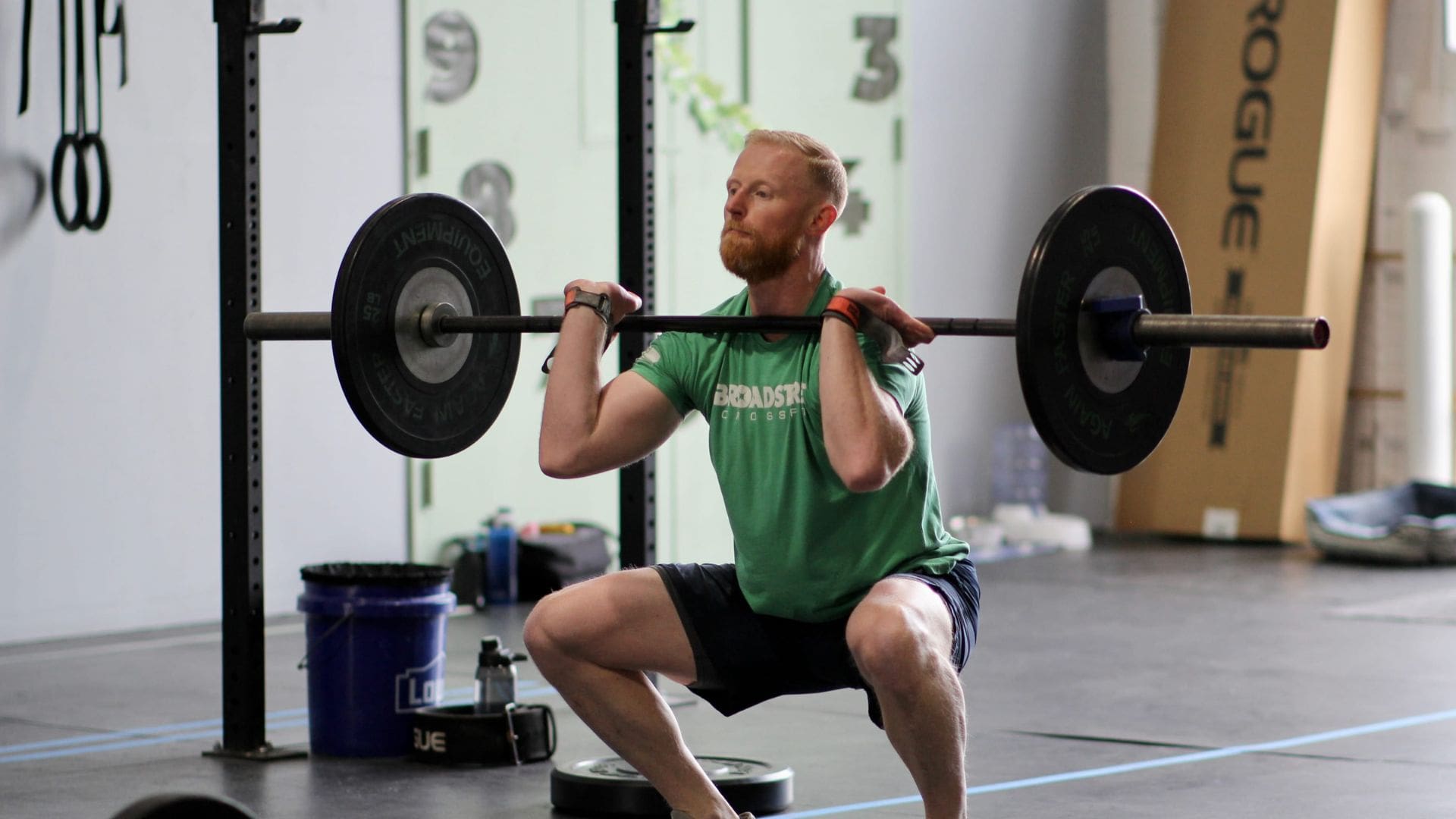
If you’re a CrossFit beginner, soreness is probably the thing on your mind before you walk in the door. Will it hurt? How bad? Will you be able to get up the stairs the next day? Here is a plain look at what to expect and what to do about it, based on what our coaches tell new members.
Will You Be Sore After Your First CrossFit Class?
Likely, yes, even if you’re used to working out. We focus on technique, so we make sure you’re doing movements properly and safely. Usually that means using muscles you might not normally use.
It is totally normal to feel soreness for about 3 days after your first class. If you’re coming to the gym consistently, expect some on-and-off soreness for about 2 weeks, and then your body finally catches up. Everyone is different, so treat those numbers as a rough picture and not a promise.
What Normal Beginner Soreness Feels Like
How sore you get depends on what you did that day. The common spots are your quads (front of your legs), your glutes, your lats (the muscle underneath your armpit along your side), and your shoulders.
You should still be able to do your normal daily things, but there will definitely be some struggle. Going up and down stairs, sitting and standing, and reaching up for things can be challenging for the first day or two.
Usually movement makes you feel better. A walk, a light bike ride, or even coming back to the gym to move your body will help your recovery, and I’d highly recommend it.
Why the Second Day Can Feel Worse
Muscle soreness comes from your body repairing muscles after they’ve been used, usually after strength building exercise like CrossFit. It usually peaks around day two.
You may hear the term DOMS, which stands for Delayed Onset Muscle Soreness. It’s a fancy way of saying your muscles did things they’ve never done before, and your body is working hard to repair them so you come out stronger on the other side. That takes time, and after a day or two the pain will subside.
What You Can Do That Day and the Next
Fuel your body properly after your first workout. That means well-rounded meals with protein, carbohydrates and fats, and don’t skimp on the carbs, since they help fuel your muscles. Drink plenty of water, and you can add electrolytes if you like.
Stretching and light movement that same day and over the next few days will help the soreness fade. Movement brings blood flow to your muscles, which aids recovery. Keep it light and listen to your body.
Lastly, sleep. Your body heals the most while you sleep, so give yourself enough time in bed each night.
How Your Coach Can Help You Scale Before You Get Sore
If you’re worried about soreness, or unsure how to keep working out while sore, your coach is a great resource. Our coaches are trained to help you get through your workout feeling good and staying safe. Soreness is inevitable early on, but it’s something we can work through together.
Your coach can modify the workout, lighten the load, or decrease your reps so soreness stays as low as possible. If you come to class already sore, tell your coach. We’ll make sure you can still move without overdoing it for the day. Light movement really does help your muscles feel better.
When Soreness Is a Sign to Stop and Ask for Help
Muscle soreness is a normal part of getting fit. We like discomfort, because that’s where change happens, but we don’t like pain.
Sharp pain somewhere, or pain in a joint, is likely not just muscle soreness. Talk to your coach about modifying workouts to avoid it, and reassess after a few days.
Reach out to a medical professional if you have extreme soreness, meaning any of these:
- It’s painful to the touch.
- You can’t move through your normal range of motion or do normal daily tasks.
- It lasts longer than 3 days.
If you’re not sure whether what you feel is pain or discomfort, ask a coach.
Should You Rest or Come Back to Class?
Consistency is key when it comes to soreness. It can be hard to come in when you’re sore, but moving your body is a good way to work the soreness out. If you keep coming, your body adapts and the soreness shows up less often.
We’ll always make sure you’re being safe, and we’ll help you work through it during class.
If you’re a nervous CrossFit beginner, let your coach know how you’re feeling when you walk in. That’s all it takes to get started.

